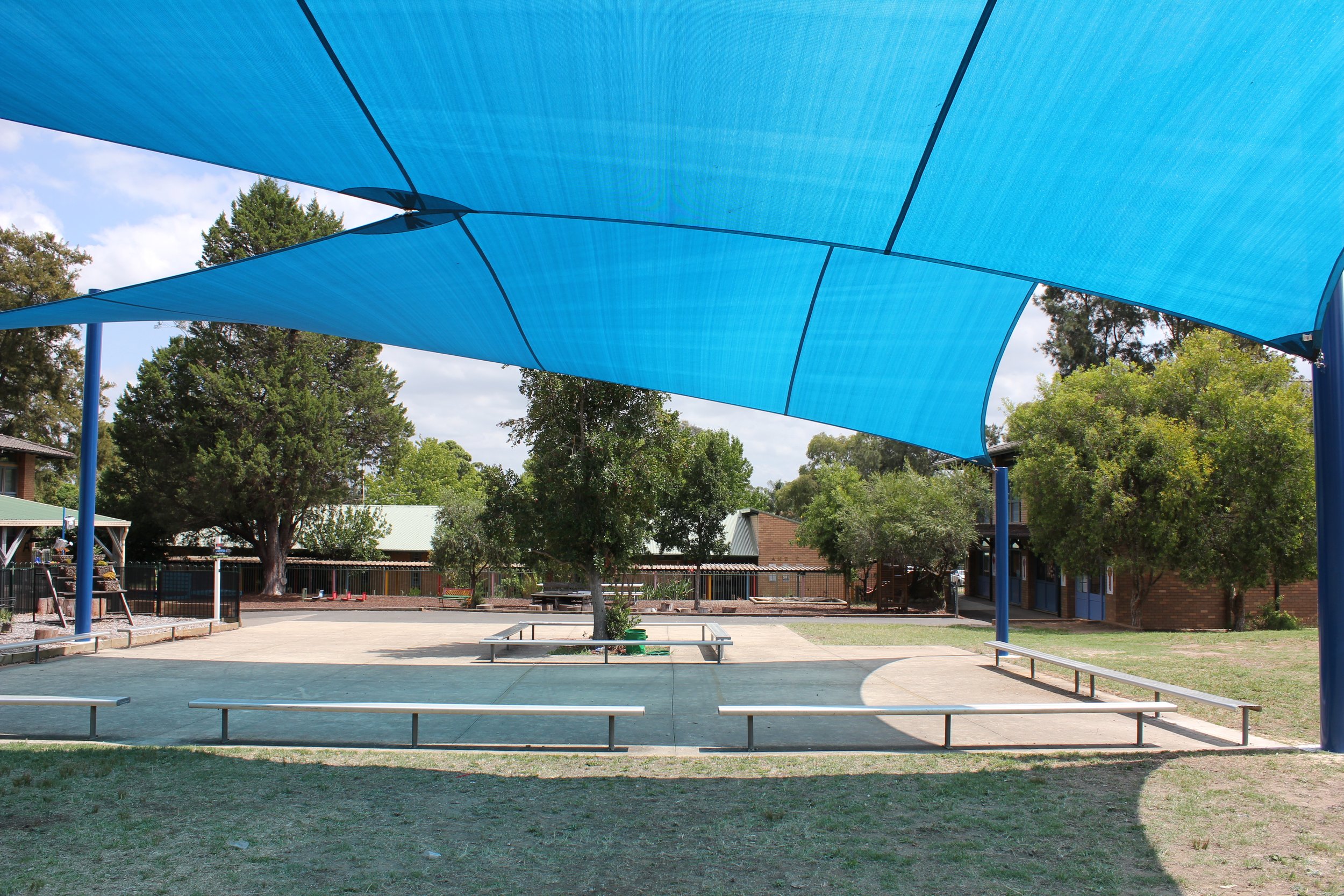

Outdoor spaces play an important role in schools, childcare centres, and universities, providing areas for learning, recreation, and social interaction. Creating a safe and comfortable environment requires more than just quality infrastructure. A proactive approach to outdoor space management can help improve safety, usability, and long-term asset performance.
1. Conduct Regular Safety Inspections
Routine inspections help identify potential hazards such as damaged equipment, loose fittings, trip hazards, or deteriorating infrastructure before they impact users.
2. Prioritise Sun Protection
Providing adequate shade in playgrounds, lunch areas, and outdoor learning spaces helps reduce exposure to harmful UV rays and encourages year-round outdoor use.
3. Maintain Outdoor Assets
Regular maintenance of shade structures, seating areas, pathways, and playground equipment can help extend their lifespan and improve safety.
4. Prepare for Seasonal Weather Conditions
Extreme heat, storms, and heavy rainfall can affect outdoor spaces. Seasonal inspections help ensure facilities remain safe and functional throughout the year.
5. Keep Outdoor Areas Clean and Accessible
Removing debris, maintaining landscaping, and ensuring pathways remain clear contributes to a more welcoming and user-friendly environment.
By implementing these best practices, educational facilities can create outdoor spaces that are safer, more comfortable, and better suited to the needs of students, staff, and visitors.